
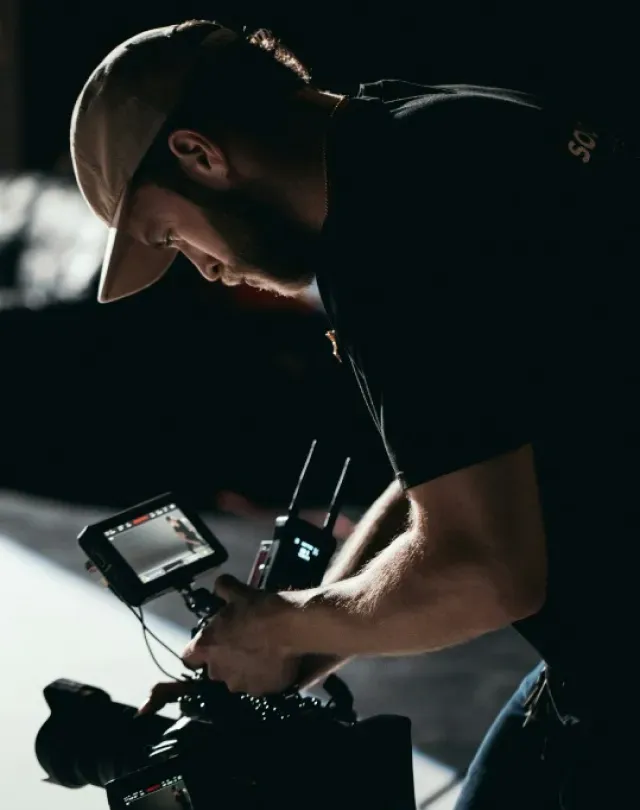
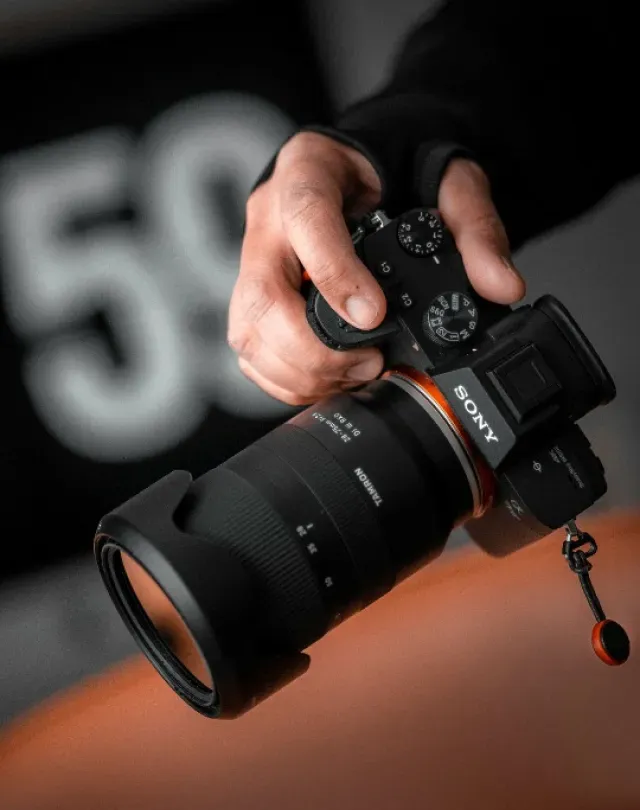




Rules of thirds, leading lines and the far more useful question of what you are willing to leave out.
Composition is usually taught as a set of things to put in the frame. It is far more productive to treat it as a set of decisions about what to keep out.
Subtraction first
Before you think about thirds or diagonals, ask what in this frame is not doing any work. A bright corner, a half-cropped stranger, a sign with three words of legible text — each of these takes attention that was meant for your subject. Move two feet left, change your height, or open up a stop and let the background go. The frame gets stronger every time something leaves it.
The rules, briefly, and when to break them
- Thirds. Useful because it stops you centering everything by default. Ignore it the moment symmetry is the point.
- Leading lines. They work because the eye follows an edge. Make sure the edge leads somewhere you want the eye to arrive.
- Negative space. Empty area is not wasted area; it is the thing that gives the subject somewhere to be.
Edges matter more than centers
Amateur frames are usually fine in the middle and a mess at the border. Look at all four edges before you press the shutter — that is where the distracting highlight lives, where the limb gets amputated, and where the horizon tips two degrees.
Every photograph is a rectangle you chose to draw around a piece of the world. The interesting question was never what is inside it, but why you put the line exactly there.
Give yourself one constraint
Shoot a whole afternoon at a single focal length. A 35mm forces you to move; an 85mm forces you to see. Both teach more about framing in three hours than a week of reading, this article included.