
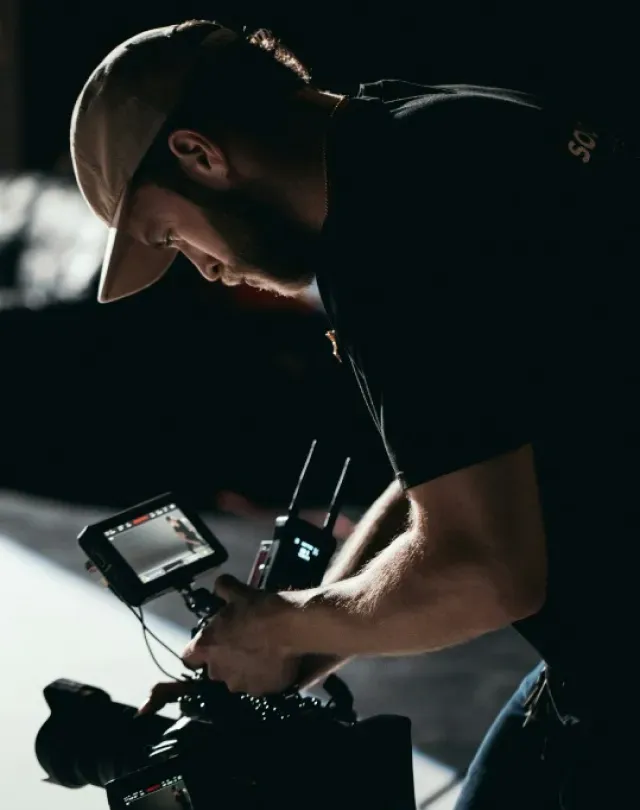
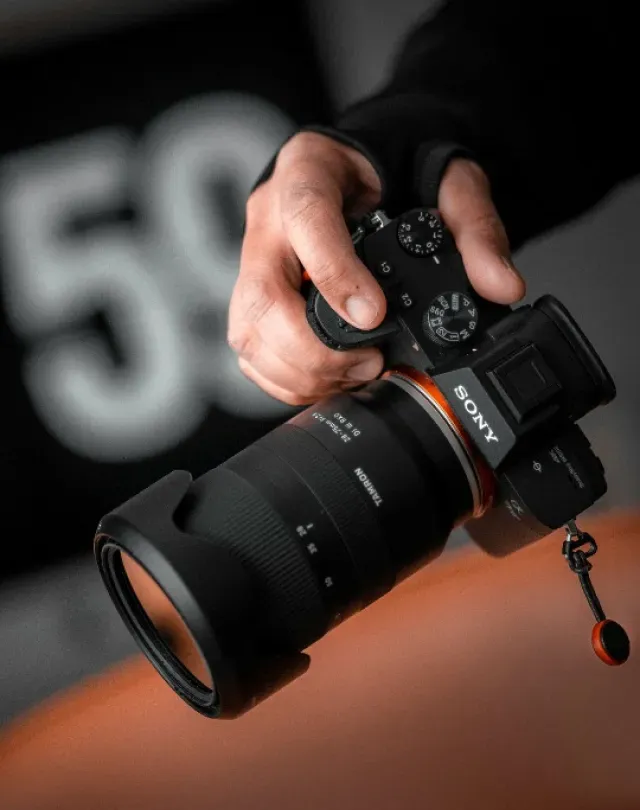
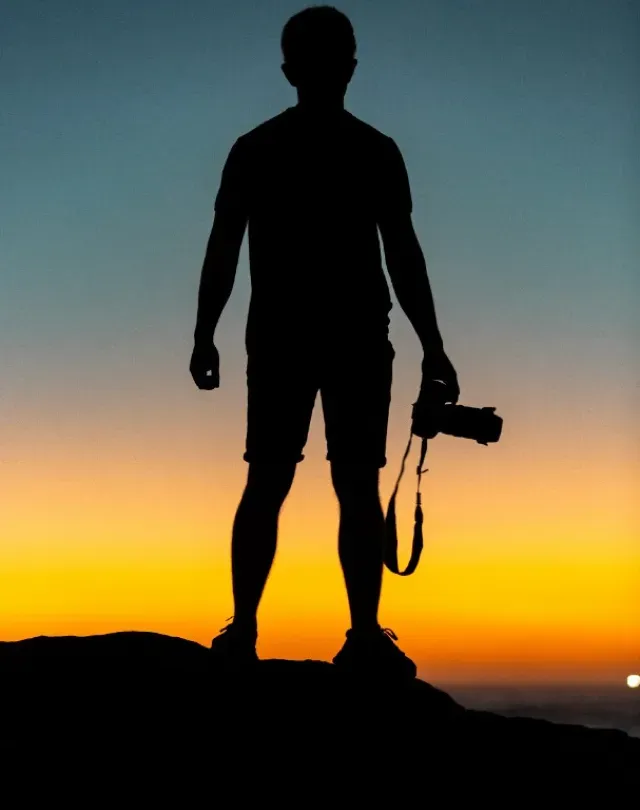
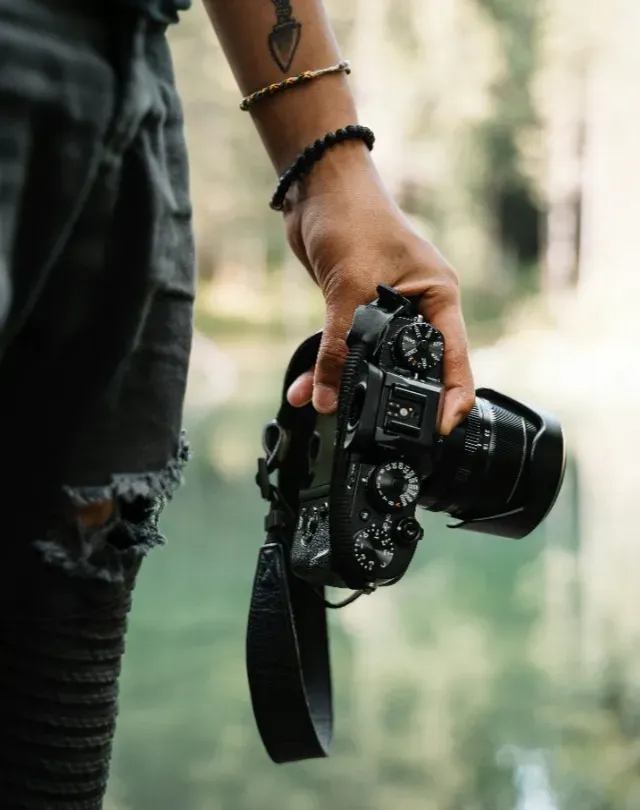
Daylight is free, unrepeatable and completely uninterested in your schedule. Here is how we plan around it.
Natural light is the cheapest modifier you will ever own and the only one you cannot adjust. You can shape it, block it, bounce it back — but you cannot turn it up, and it will not wait while you change lenses. Everything below comes from shooting in it for long enough to stop fighting it.
Read the window before you read the room
Walk into a location and find the light source first. Everything else — where the subject stands, which way they face, where you put your own feet — follows from that one decision. A north-facing window at eleven in the morning gives you a soft, directional key that will flatter almost anyone. The same window at four in the afternoon in July is a hard spotlight with a color cast off the building opposite.
Three things to check before you unpack:
- Direction. Which way does the light travel across the room, and what does it hit on the way?
- Quality. Is the source large relative to your subject? A big window close by is soft; the same window from ten feet away is not.
- Color. What is the light bouncing off? Green grass, red brick and a blue awning all end up on your subject’s face.
Underexpose the highlight, not the face
Modern sensors recover shadows far better than highlights. If the choice is between a blown sky and a slightly dark subject, protect the sky — you can lift the face in a single adjustment, but there is nothing behind a clipped white pixel to recover.
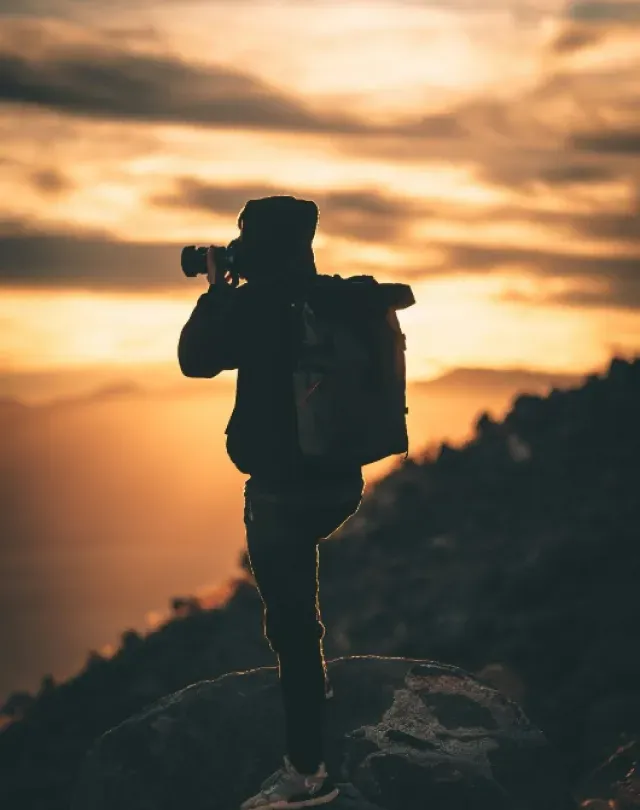
The best light of the day lasts about twenty minutes and never announces itself. Be set up, metered and talking to your subject before it arrives, because you will not get a second pass at it.
Bring one thing to modify it
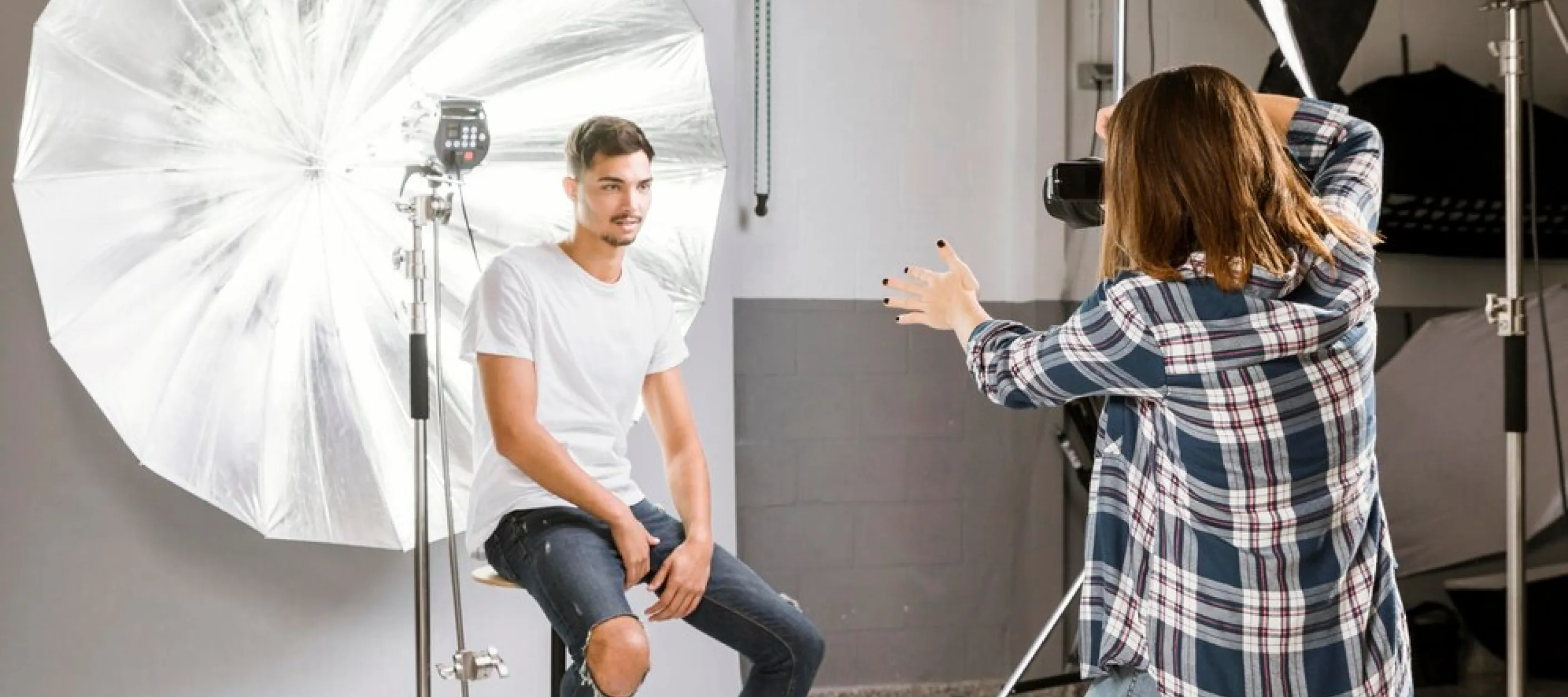
A five-in-one reflector costs less than a filter and does more work than anything else in the bag. Silver for punch, white for fill, and the black side to subtract light — which is the trick most people miss. Taking light away from one side of a face will do more for a portrait than adding any amount to the other.
Shoot the weather you were given
Overcast is not a lesser day. A flat sky is a softbox the size of a city, and it gives you even, forgiving light for hours instead of minutes. Rain gives you reflections, backlight through droplets and an empty street. Harsh midday sun gives you graphic shadows if you stop trying to soften it and start composing with it.
The photographers who complain about the light are the ones who planned for one kind of it. Plan for three, and the day is never wasted.